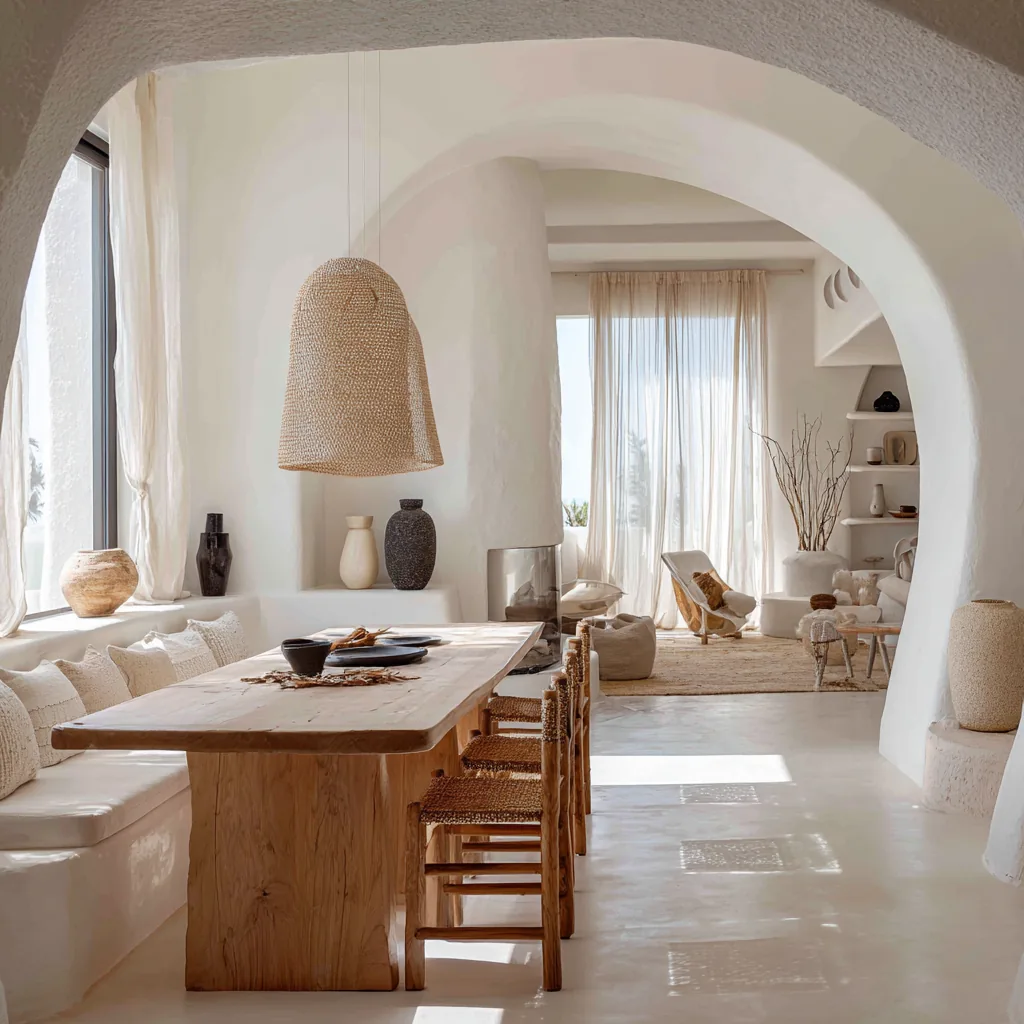
Mediterranean Interior Design: Keys and Trends

Mediterranean interior design is a trend that has gained popularity in recent years, thanks to its ability to evoke the warmth and tranquillity of the Mediterranean coasts. This style is characterised by its use of soft colours, natural materials and a connection with the outdoors. In this article, we explore the keys and trends of Mediterranean interior design, providing practical examples and tips for bringing this style into your home.

Characteristics of Mediterranean Design
Mediterranean interior design draws on the cultures of countries such as Spain, Italy and Greece. Below are some of this style's most notable characteristics:
Natural Colours
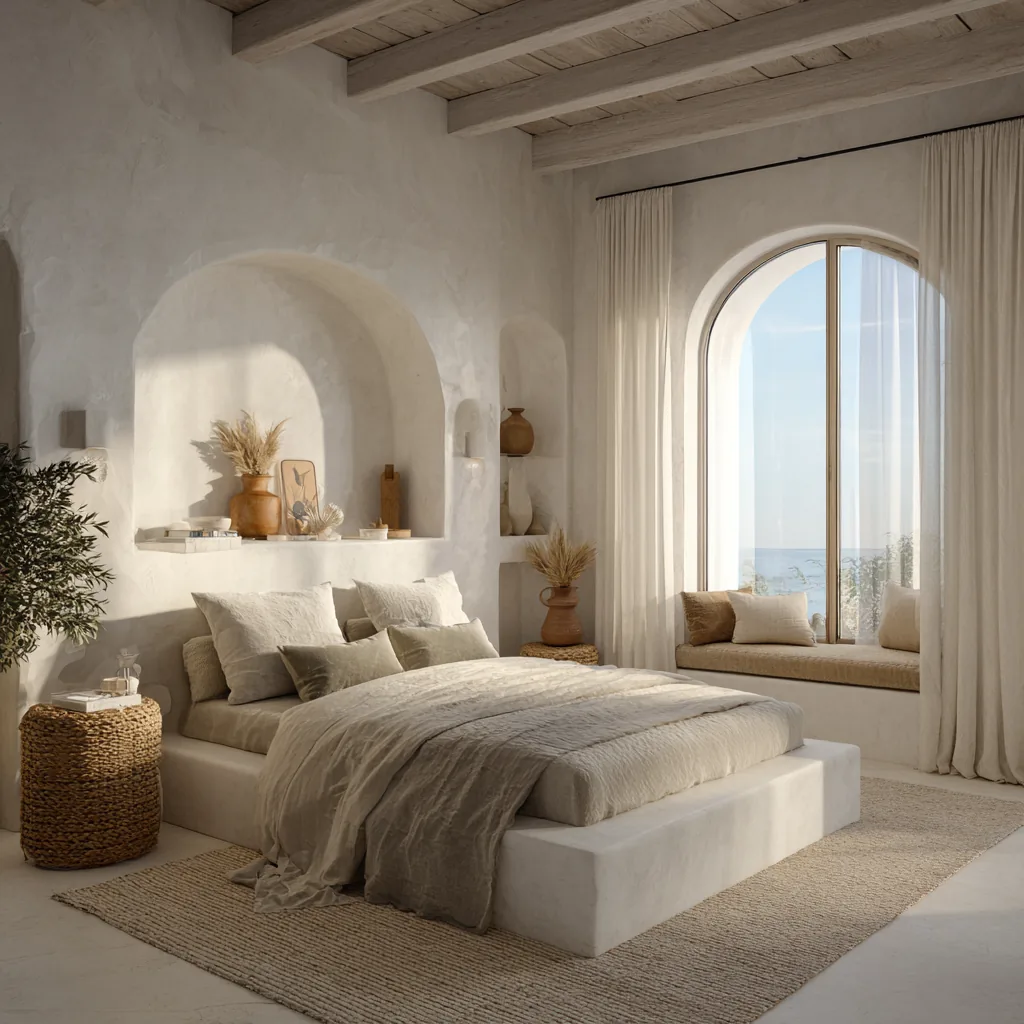
Colours in Mediterranean design are soft and earthy. Tones such as white, beige, navy blue and terracotta are used. These colours not only reflect natural light, but also create a relaxing atmosphere.
Natural Materials
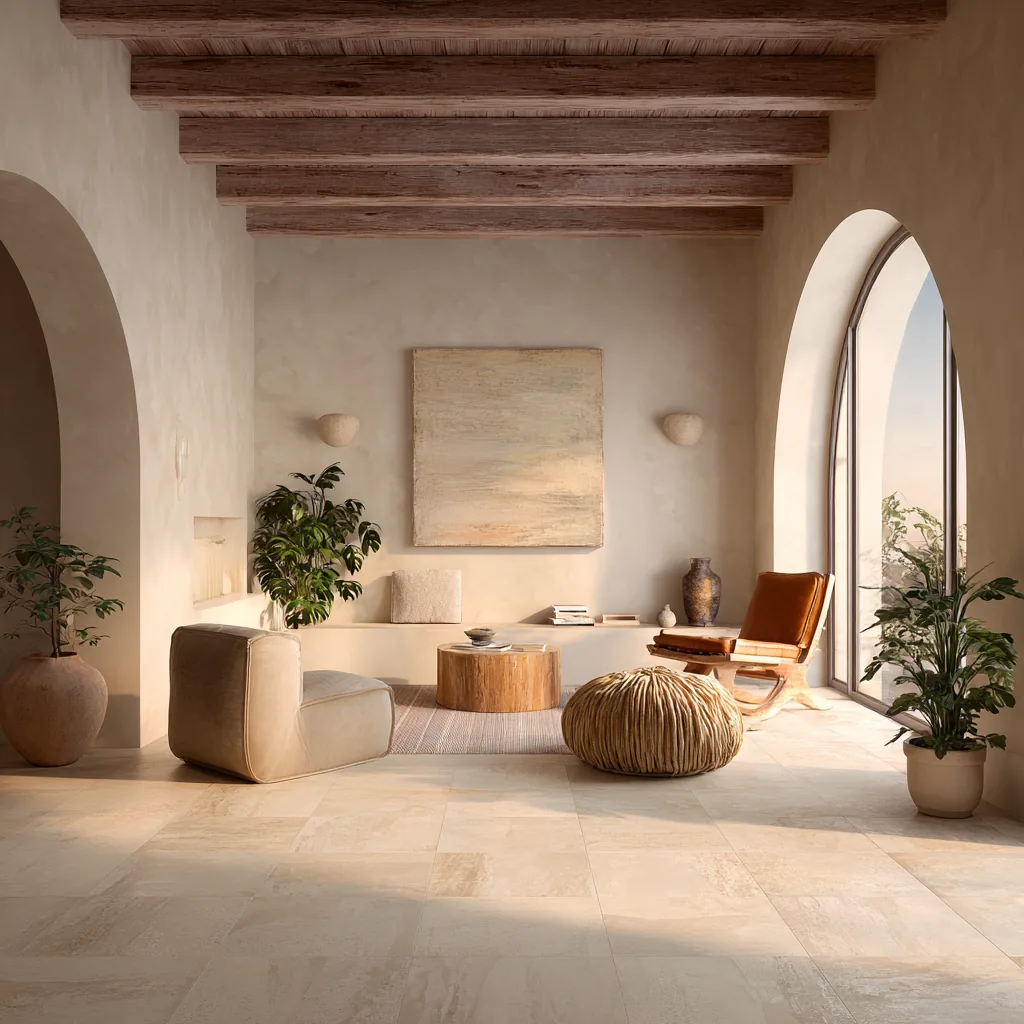
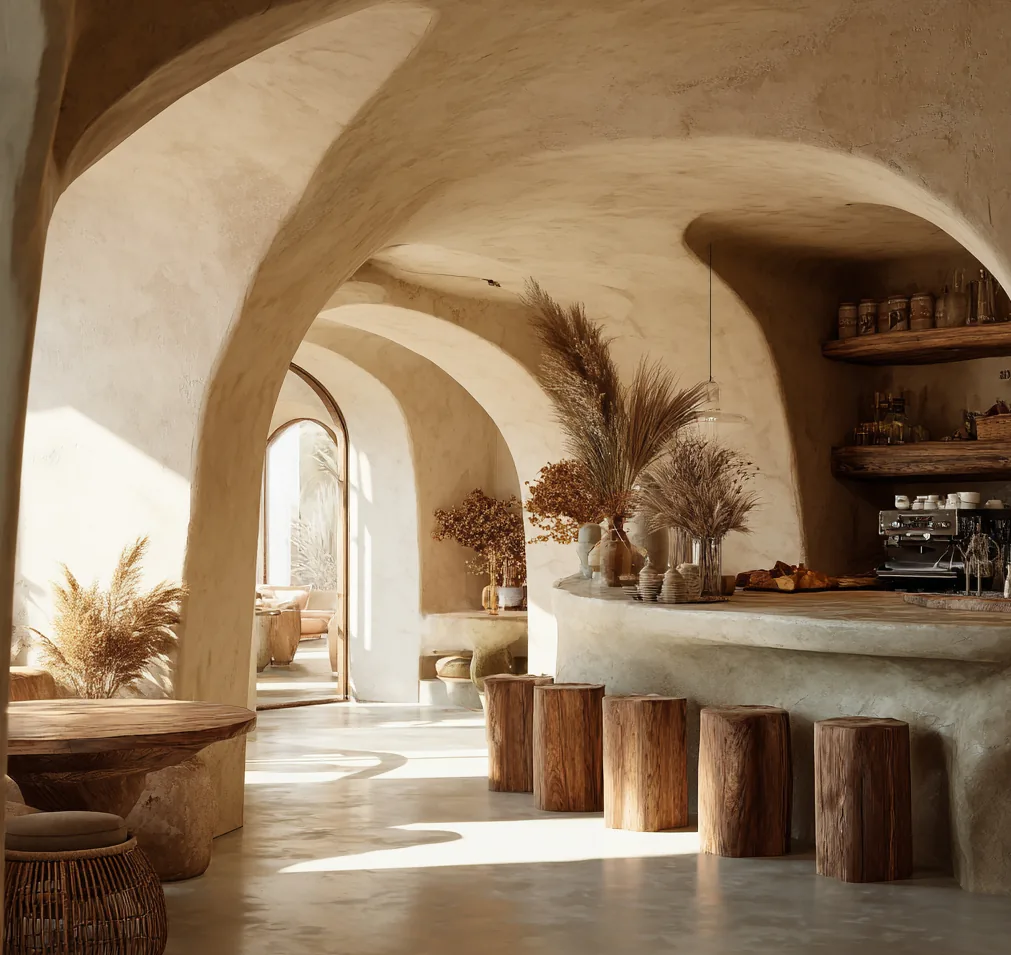
The use of materials such as wood, stone and wrought iron is essential in this style. These materials bring a sense of authenticity and connection with nature. For example, terracotta floors or exposed wooden beams are common features in Mediterranean homes.
Open Spaces
Mediterranean design favours open, bright spaces. Rooms tend to be connected to each other, allowing smooth circulation. Large windows and glass doors are typical features that let in natural light and offer views to the outside.
Decorative Elements
Decorative elements in Mediterranean design are simple yet striking. Hand-painted ceramics, linen and cotton textiles, and aged wood furniture are used. These elements add a touch of warmth and personality to spaces.
Current Trends in Mediterranean Design
As interior design evolves, so do the trends within the Mediterranean style. Here are some of the most relevant trends today:
Mediterranean Minimalism
Minimalism has influenced Mediterranean design, leading to a cleaner, simpler approach. This means reducing the number of decorative elements and focusing on functionality. Spaces become clearer, letting natural light take centre stage.
Integration of Nature
Connection with nature is a key aspect of Mediterranean design. Today, there's a push to integrate natural elements indoors, such as houseplants, vertical gardens and large windows that connect the interior with the exterior. This trend not only improves aesthetics, it also promotes a healthier environment.
Earthy and Neutral Colours
Although traditional Mediterranean colours remain popular, there's a move towards more neutral, earthy palettes. Tones such as soft grey, beige and broken white are gaining ground, providing a calm backdrop that lets decorative elements stand out.
Multifunctional Furniture
With the rise of living in smaller spaces, multifunctional furniture has become essential. In Mediterranean design, this can include sofas that turn into beds or coffee tables that expand. This furniture isn't just practical, it also keeps the style's aesthetic intact.
How to Bring the Mediterranean Style into Your Home
If you want to transform your home with the Mediterranean style, here are some practical tips:
1. Choose a Soft Colour Palette
Start by selecting a colour palette that reflects the Mediterranean style. Opt for soft, natural tones that evoke the tranquillity of the sea and the land. You can use these colours on walls, furniture and accessories.
2. Use Natural Materials
Incorporate materials such as wood, stone and wrought iron into your decor. For example, you can choose reclaimed wood furniture or add stone details to walls. These materials bring authenticity and warmth to spaces.
3. Create Open Spaces
If possible, open up your home's spaces to encourage connection between different areas. This can include removing non-structural walls or creating an open-plan layout. Make sure there's enough natural light to illuminate the spaces.
4. Add Decorative Elements
Incorporate ceramics, textiles and art that reflect Mediterranean culture. Look for unique pieces in local markets or antique shops. These elements not only decorate, they also tell a story.
5. Connect with the Outdoors
If you have a garden or terrace, make sure it's well integrated with your home's interior. Use large glass doors that open outward and create a welcoming outdoor space with comfortable furniture and plants.
Examples of Mediterranean Design in Practice
Beach House in Spain
A great example of Mediterranean design can be found in a beach house on the Spanish coast. This property features whitewashed walls, terracotta floors and large windows offering sea views. The furniture is made of light wood, and the textiles are light and fresh, creating a relaxing, welcoming atmosphere.
Apartment in Italy
In an apartment in Italy, Mediterranean design shows through a neutral colour palette and a mix of old and modern elements. Exposed wooden beams and stone floors combine with contemporary furniture, creating an attractive contrast. Houseplants add a touch of freshness and vitality to the space.
Conclusion
Mediterranean interior design is a beautiful way to create a home that evokes the warmth and tranquillity of the Mediterranean. By incorporating soft colours, natural materials and authentic decorative elements, you can transform your space into a welcoming refuge. Remember that the key lies in simplicity and connection with nature. So, why not start giving your home that Mediterranean touch today?